
From the Page to the Stage: How to Produce an Opera in 6 Steps!
When we founded Park City Opera just two years ago, we spent months meeting with community leaders and arts organizations that we admired. After we had asked our questions (mostly about community building, filing for 501(c)(3) status, ticketing software of choice etc.), inevitably they would say something along the lines of, “Opera is the most challenging artform to produce; are you sure you want to do this?” We would smile and say, “Producing the opera? That’s the easy part.”
A little misleading, sure. Nothing about putting on a live show is easy. But for us, taking a piece from a page to a performance was actually the thing we had the most experience with. As artists ourselves, we had each at times picked an opera we wanted to perform, proposed it to our colleagues and administrators, secured grant funding, auditioned and cast talented artists, scheduled rehearsals, and eventually performed. Here’s how we boil that experience down into six steps that keep every production on track (without losing the joy of making it happen!):
1. Select your piece. First, fall in love with the options. Ask yourself: Does this work inspire us? Does it fit our scale and resources? Will it speak to the audience we want to reach? This process, which we formally call repertoire selection, can be the most fun or the most paralyzing because at this stage, the world is your oyster. Once you make your decision, commit and feel comforted knowing that there will always be next season and an opportunity to produce your second string options!
2. Find your venue. Do you want a traditional proscenium stage or are you inspired to transform a community space or even a speakeasy? How many people do you want to attend, and do you want the experience to feel cozy or grand? How does the orchestration of the piece you’ve chosen impact the size of your space? In other words, will it be too loud? Not heard? Additionally, we’ve had the privilege of selecting venues that are run by people who are inspired to work with us and who want to help us create a really special audience experience. Your venue is your partner in this endeavor. Once you know who you want to work with, pick a date that works for both of you and move on to the next step.
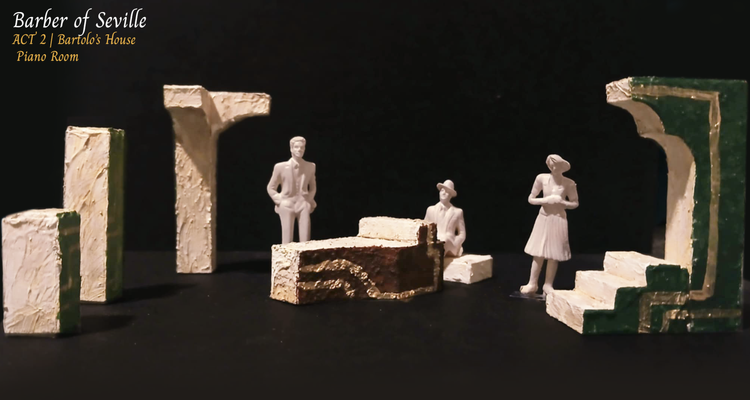
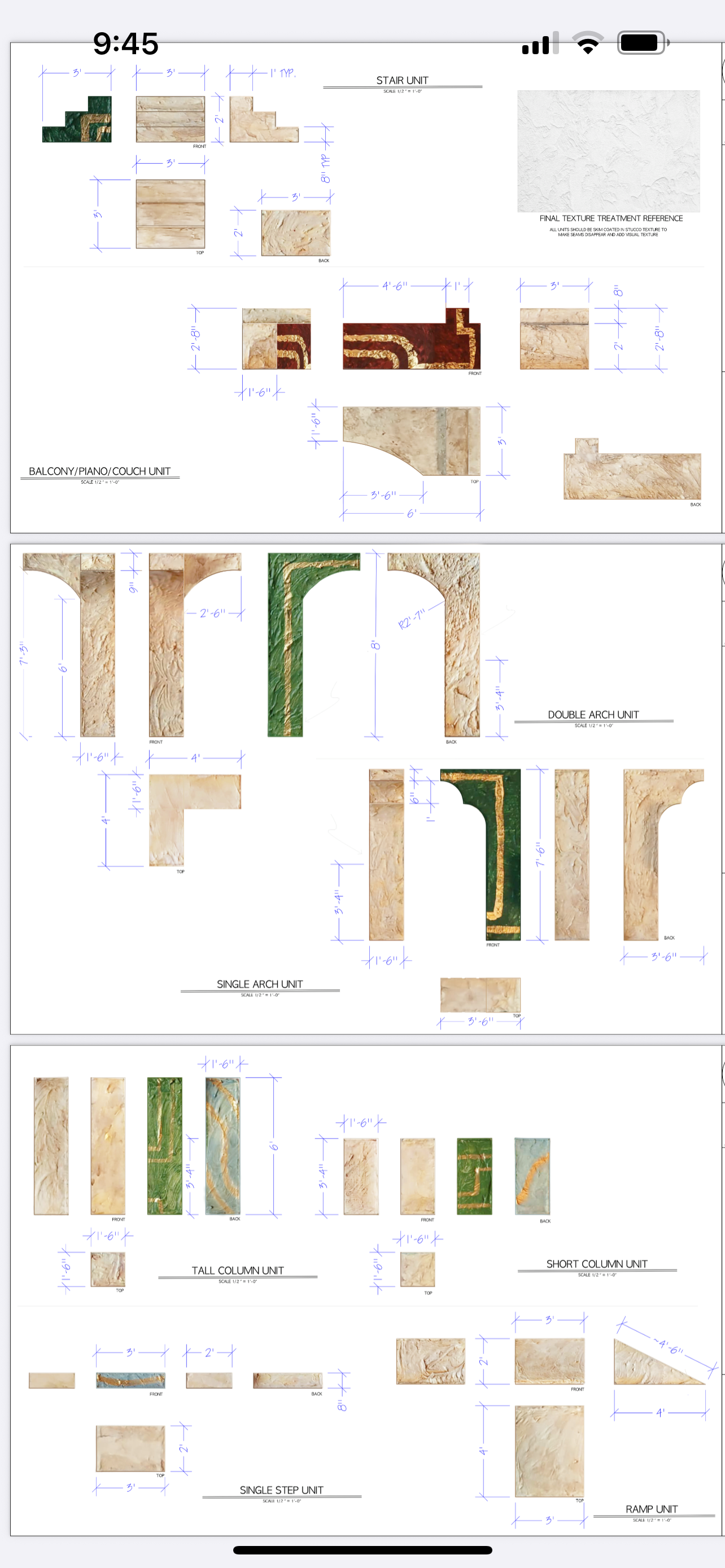
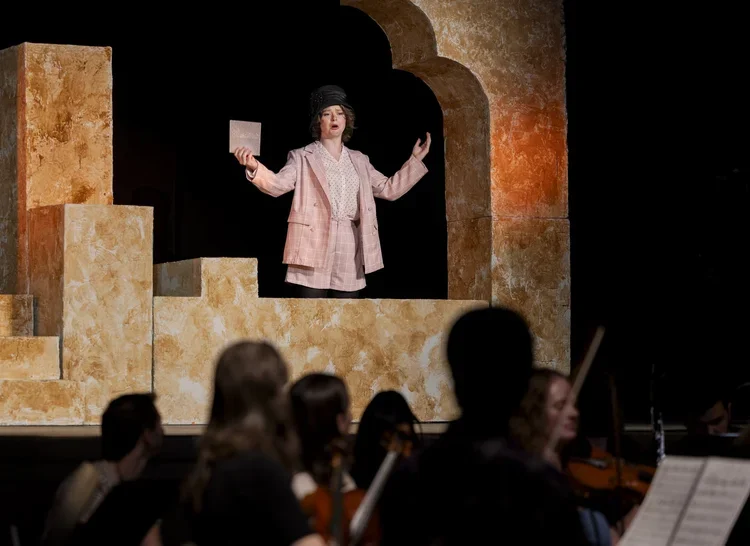
Venue choice is so important in dictating set design: here’s how scenic work develops from initial renderings and clay models to spec sheets to the stage!
3. Define your timeline. We work backward from opening night: tech week, final rehearsals, load-in (often the longest, most exhausting day), staging, and musical rehearsals. Communicating the timeline is crucial. In opera, performers are expected to arrive prepared, memorized and musically ready, so auditions happen almost a year in advance. Beyond that, when do tickets go on sale? When do marketing campaigns launch? Planning a season takes time, but in Park City Opera world, starting about a year in advance gets it done beautifully.
4. Assemble your team. Our opera teams include the soloists, the chorus, and any dancers/mimes/jugglers/foley artists that perform on stage. And our performers’ work could not be done without the orchestra, the conductor and director, stage managers, lighting, set, and costume designers. The list goes on! For The Barber of Seville, our team was 40 people strong; for Roméo et Juliette, our team will include upwards of 70 amazing artists and technicians! The “team” is what makes opera so uniquely thrilling and challenging. It is one of the most collaborative art forms and requires so many specialities to actualize. Regardless of the position, Park City Opera looks for team members who are flexible and adaptive, who are inspired by the challenge of what we do, and who come ready with ideas and ways to communicate them clearly.
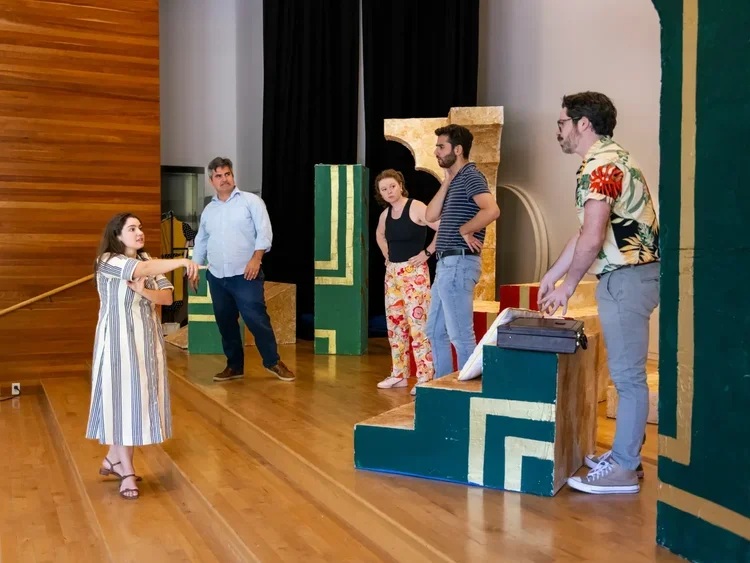
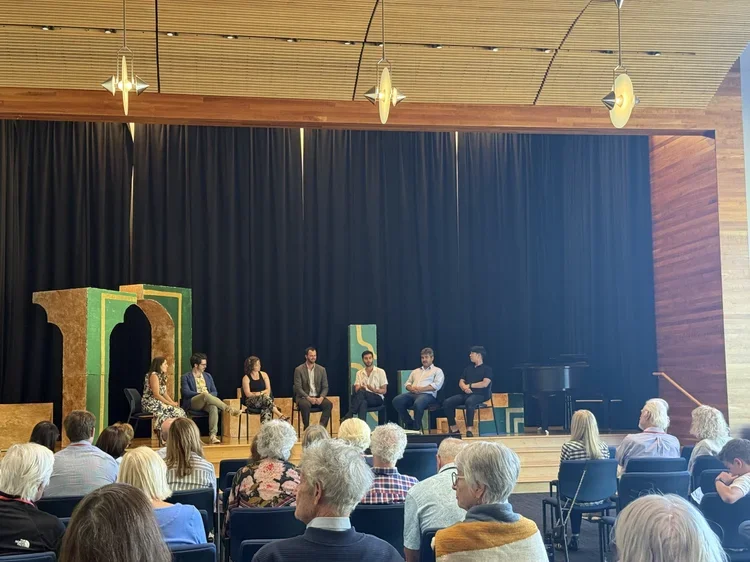
Our team hard at work preparing The Barber of Seville in August, 2025. After our rehearsal residency at Temple Har Shalom, we presented a sneak preview and Q&A for the community.
5. Rehearse! Rehearse! Rehearse! and Market! Market! Market! These two have to happen together. There’s no real point in pouring everything into a show if you’re not putting the same intention into building the audience for it. Additionally, if you have brought together the right team, the rehearsal process is often the highlight of the process. For us, that’s the core of it: being in a room with talented people, building something from nothing, and making music together. The only thing that (maybe) tops it is sharing the product of our work with a full house.
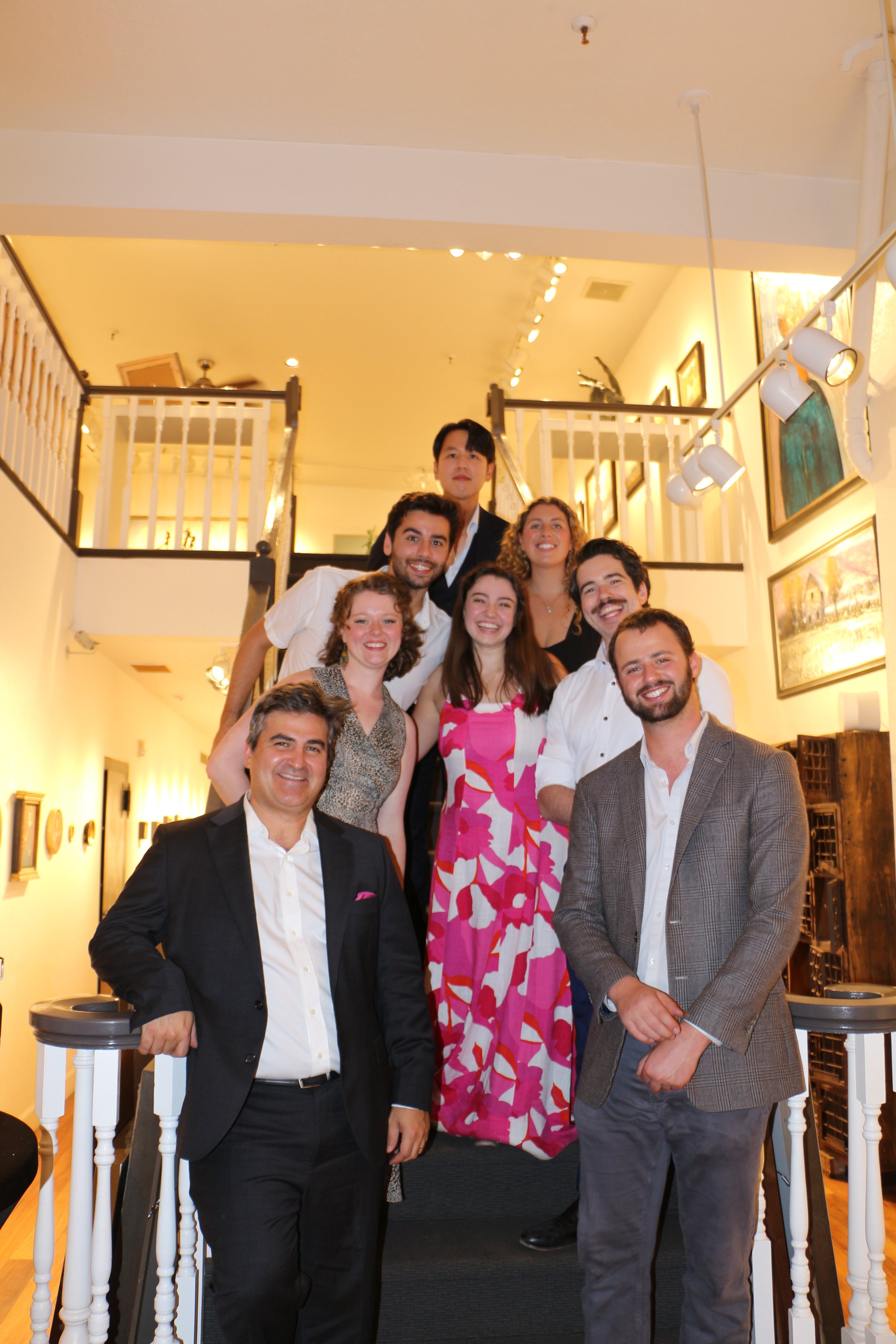
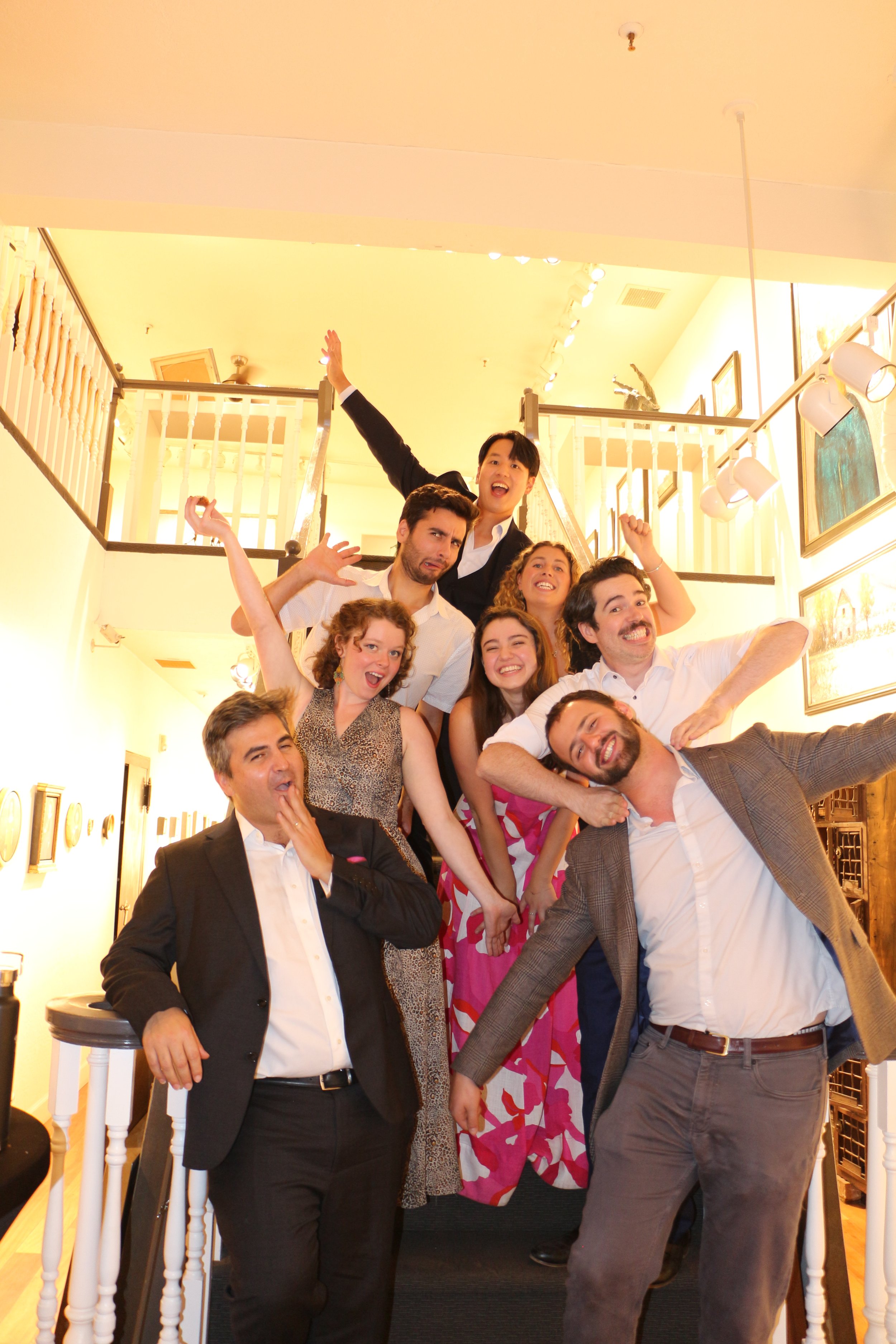
Our team enjoying a laugh together off-the-stage after a long day of tech rehearsal.
6. Share your work. When it comes time for performances, everyone involved has a different challenge to tackle. For performers, the path is often clear and the work has been done throughout the rehearsal process, though the physical and energetic demands of performing are intense! As performers ourselves, we find that preparation allows us the freedom to enjoy, play, and experiment in performance. For the Front of House team, performance days are less rehearsed. Our volunteer ushers are often problem-solving on the fly! Finally, our administrative staff is focused on creating an audience experience that is as intentional as anything happening on stage. A warm greeting, clear signage, beautiful programs, delicious snacks (or in many cases, custom cocktails and lite bites!), artistic or historical displays, interactive raffles or activities, and more can create an atmosphere that influences how audiences connect with the art on stage. We think that the care put into the concert experience should match the quality of the art itself.
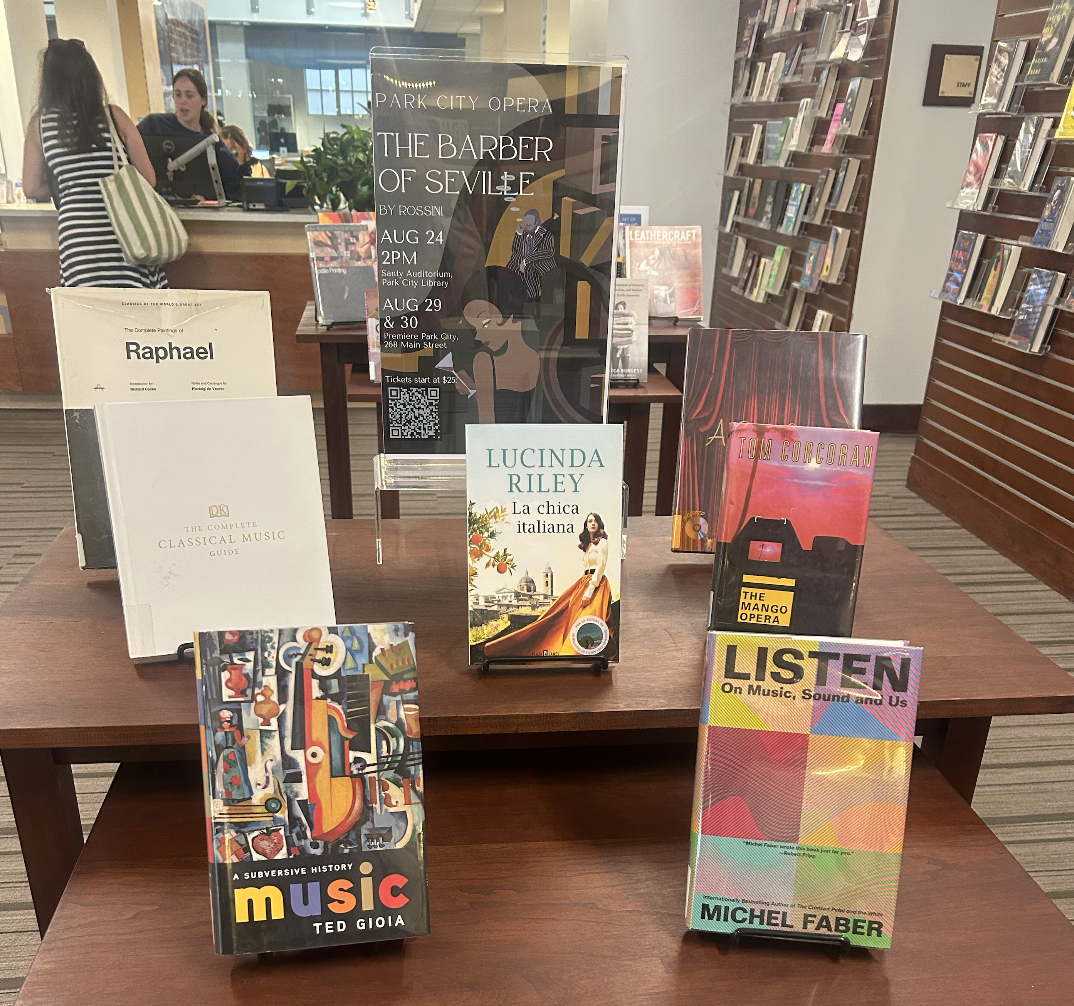
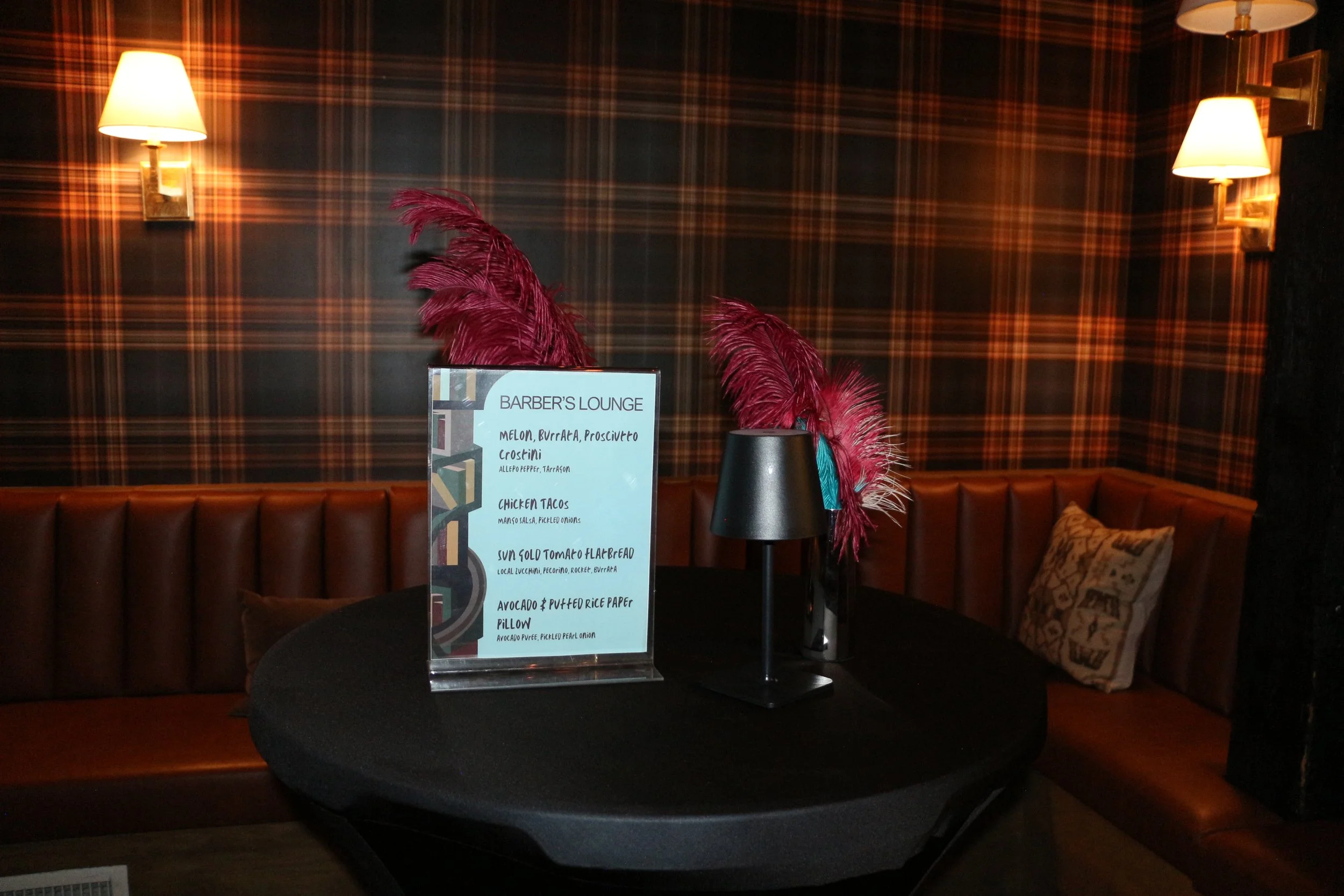
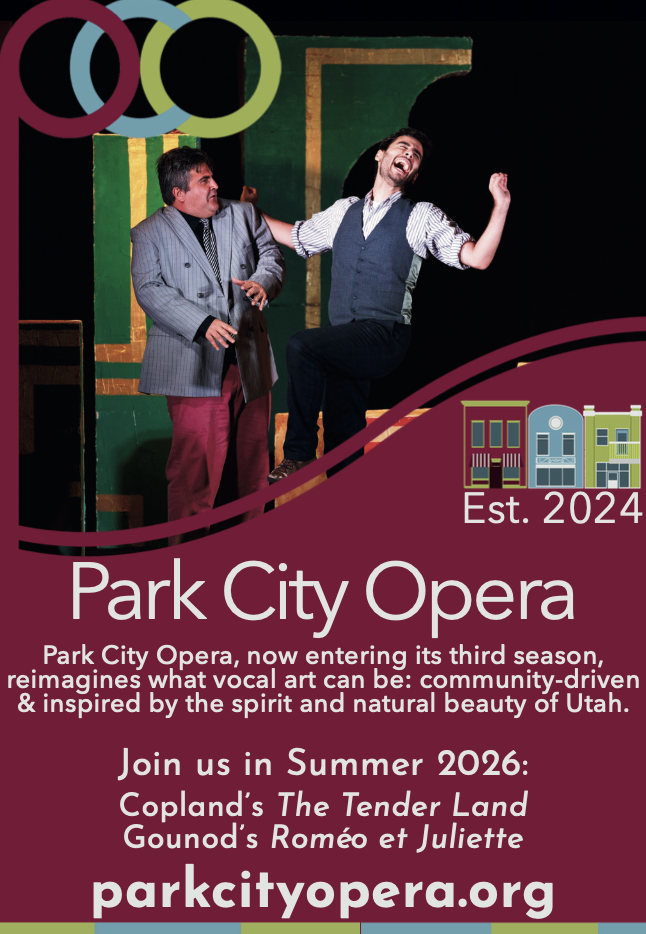
From left to right: an Italian Opera themed display of books at the Park City Library coordinated in anticipation of The Barber of Seville, the Barber’s Lounge with themed passed appetizers at Premiere Speakeasy, and an example of our branding.
These are the six essential steps! Of course, each step has a long list of smaller tasks. But if you’re passionate, clear about your vision, and intentional in your approach, you have everything you need to bring an opera from the page to the stage, and to have fun doing it!
We hope you join us for our upcoming operas and events which can be viewed here!