
A Conversation with Park City Opera’s Roméo and Juliette
Last month, I sat down with Nicole Heinen and Patrick Bessenbacher, who I will direct in the title roles of Park City Opera’s production of Roméo et Juliette. We discussed their characters, their relationship to Shakespeare’s play, and their thoughts about the opera ahead of our August 2026 performances in Park City.
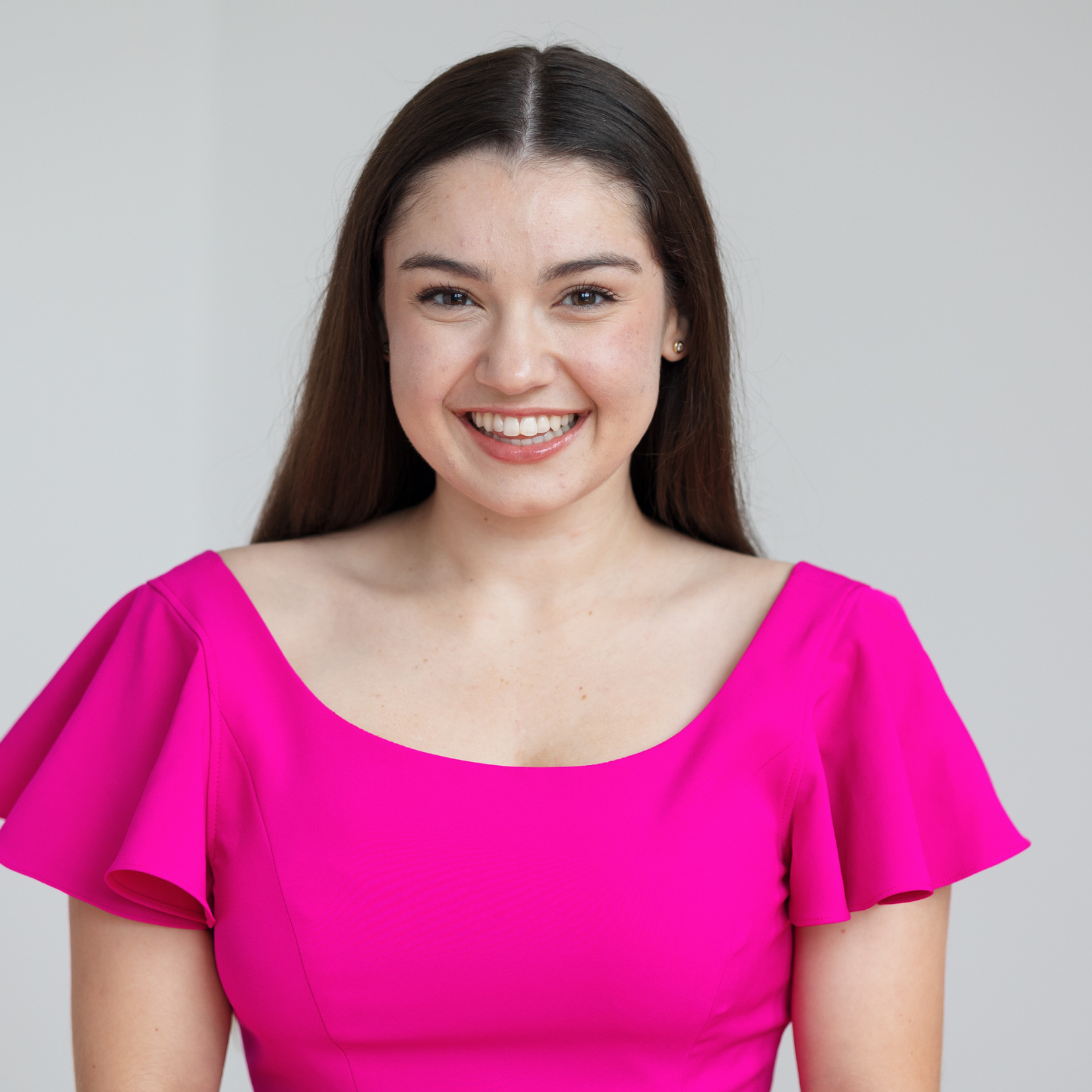
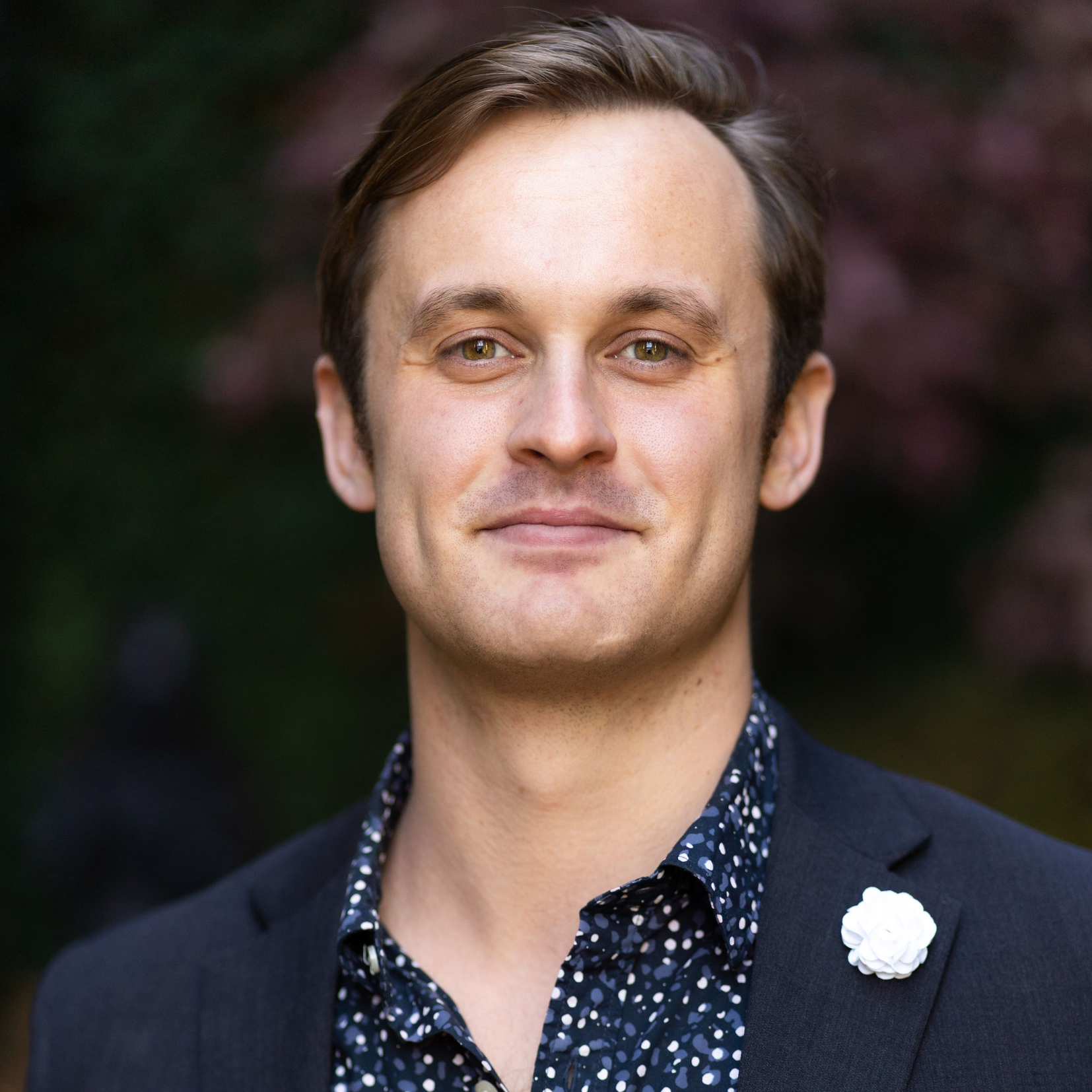
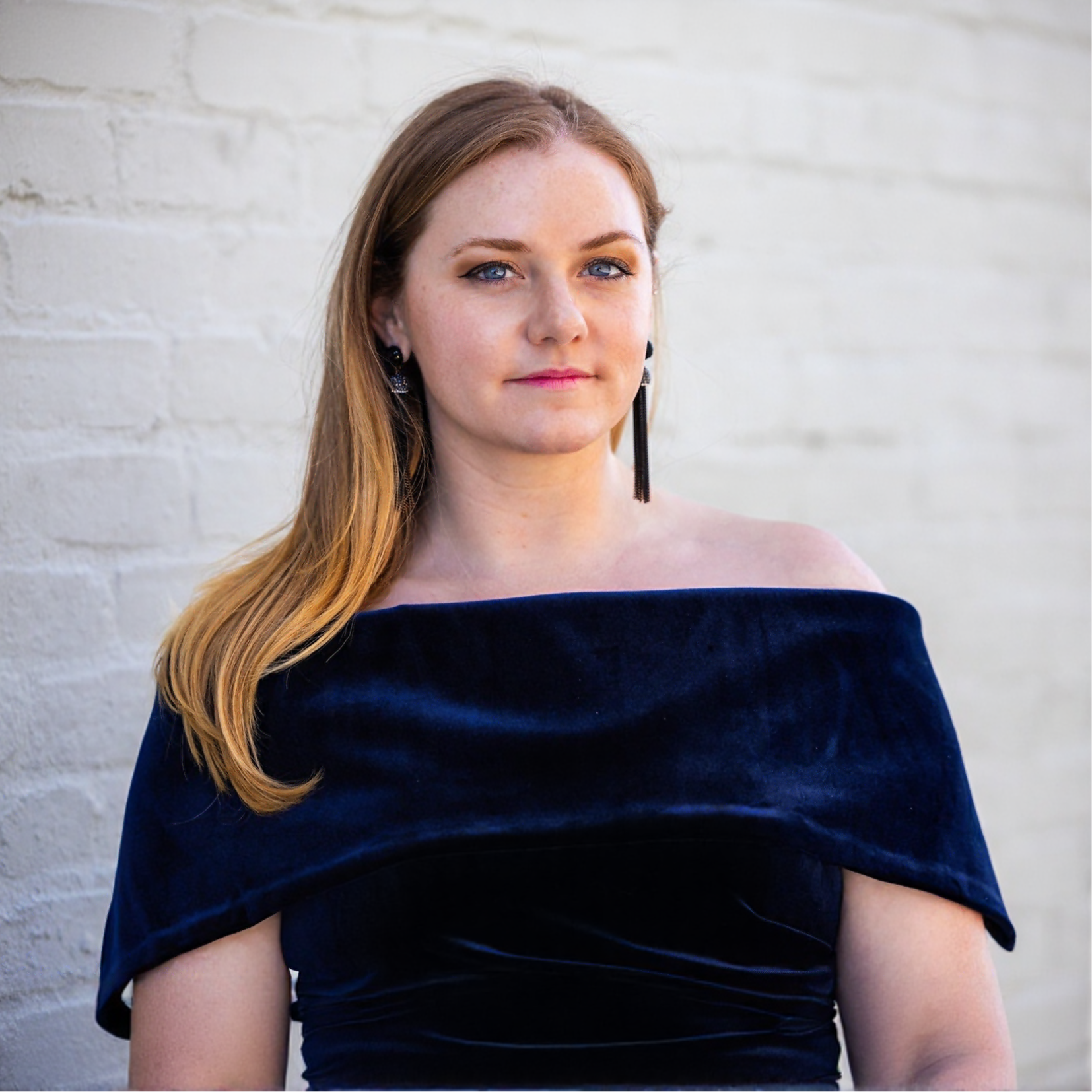
From left: Lisl Wangermann (Director), Patrick Bessenbacher (Roméo), and Nicole Heinen (Juliette)
Lisl: How did you both engage with the story of Romeo and Juliet, either the play or the movie or the ballet, when you were growing up? Did you read it in school? What are your earliest memories of this famous piece?
Nicole: I read it in high school, and then we watched the 1996 Clare Danes and Leo DiCaprio version, and the 1968 Zeffirelli movie. So I grew up reading and watching it, and then later I saw the 2013 version with Hailee Steinfeld. I also watched [theatrically staged] productions of it on PBS.
Patrick: We read a lot of the great Shakespeare plays in high school, and I had trouble engaging with it then because there is such a difference studying a play as a play versus reading it, especially as a high schooler. But then in my junior year of college, we [performed] West Side Story and [I] took a Shakespeare class, so I had the opportunity to understand it a little bit better. I am still not an expert, but doing [West Side Story] made it much easier to understand [Romeo and Juliet].
Lisl: I actually read the play twice in school – once in middle school and then again in high school. And it was interesting coming back to it even within the span of two years and seeing how much more I was able to understand and take away from it. Given that you both have a background of reading and interacting with these characters, how does your process change when preparing the roles of “Roméo” and “Juliette” when you have this type of source material?
Nicole: I always think about subtext when I am approaching a character. Maybe I am not exactly the same as this character, but I may have been in similar situations. In this case with Juliette, I think there is a lot that I do relate to. She is a people pleaser at the beginning. She is the perfect daughter, but she is also already very curious. You can already see the wheels of rebellion turning in her head from the start, but she's still very practical when Roméo professes his love for her. She's like, “Wait, we need to take a beat here and think about the consequences of our actions.” I think that her curiosity takes over more and more as the show progresses.
When she refuses to marry Paris, her parents basically tell her that she's better dead to them than alive. That really turns the switch. I see a lot of myself in her, especially that part of her: being a younger person and figuring out who she is, and that being to her parents’ dismay.
Patrick: I’d probably say something similar about Roméo. He's a rule breaker. Off the bat, he shows up to the ball masked, and he's like, “Guys, we gotta be careful.” He knows he's causing trouble. I don't know if I've ever experienced the feeling of love that Roméo feels for Juliette. It’s so strong and so intense and so instant, but I can certainly empathize with how that might feel, and I also like towing the lines on the rules. Can I break them? Can I push the edge just a little bit further? I think Roméo does that a lot, and I think he influences Juliette to look at life that way as well.
Lisl: I think that Gounod’s music elevates and adds a layer of maturity to the story, and I'm interested to hear a little bit about your thought process as you prepare the opera. How much of the youthfulness of these characters are you trying to hold on to? This art form requires mature, adult singing, but you are portraying very young, very immature characters. How do you balance that?
Nicole: With Juliette, it's a little bit easier than, say, Roméo, and especially Tybalt. Tybalt is so hot-headed, and he acts out constantly. I think that out of anyone in the opera or in the play, Juliette has the biggest character arc. Even if you just compare the Act I aria (“Je veux vivre”) to the Act IV aria (“Dieu, quel frisson…amour, ranime mon courage”), they're so vastly different. In Act I, you see a very youthful girl, but when we get to Act IV, she takes the potion and decides she is going to take her fate into her own hands. There are still some girlish qualities about that decision as well, but she has definitely matured.
Being youthful in this role means drawing on what it's like to fall in love when you're young. Even when you're with the same person for a long time, you keep falling in love with that person over and over again. That excitement comes back into your life. Personally, I don't feel like the age that I am. I always feel younger than I am, in part because I continue to challenge myself. It’s so easy for me to connect with her on that youthful level because I've been there myself.
Patrick: I feel similarly. Like you said, Lisl, we have to bring our professionalism to the gig and sing the notes and it's very hard, but my favorite thing to do on stage is to act a little young and dumb regardless of the role. I think it brings a certain humanity to a character.
I feel like sometimes you look around a rehearsal room, and people are so serious. And of course, we have to take it very seriously in some respects. I still have to execute the French text and the big high notes. That's the mature part of it. But Roméo as a person is just so young and a little bit dumb, but he has good intentions and is led by love. There is so much sincerity in these characteristics.
Lisl: I think sometimes sincerity is the hardest thing to capture in opera. Either a production captures it brilliantly or it gets kind of lost in the grandeur of opera.
One final question: what would you say to people who are seeing this opera for the first time, and what is a musical highlight of the opera for you?
Patrick: There’s always politics with the Capulets and the Montagues, but the opera is more focused on the love between Roméo and Juliette. And I love the balcony scene (“Ô nuit divine”). That's probably what I would tell people to come see.
Nicole: I agree with Patrick. There are some things in this opera that are maybe reminiscent of themes that are going on in our lives now, where there are two opposing sides, but the opera just [briefly] touches on that. It focuses more on the love between these two people and that against all odds, they are defying their families because they believe in their love so deeply. The balcony scene is amazing. Definitely come for that.
Come see Nicole, Patrick, and the rest of our cast in Roméo et Juliette on August 21st and 23rd at the Eccles Center in Park City. Tickets are available now.